
USCIS now directs dome asylum cases straight to immigration courts
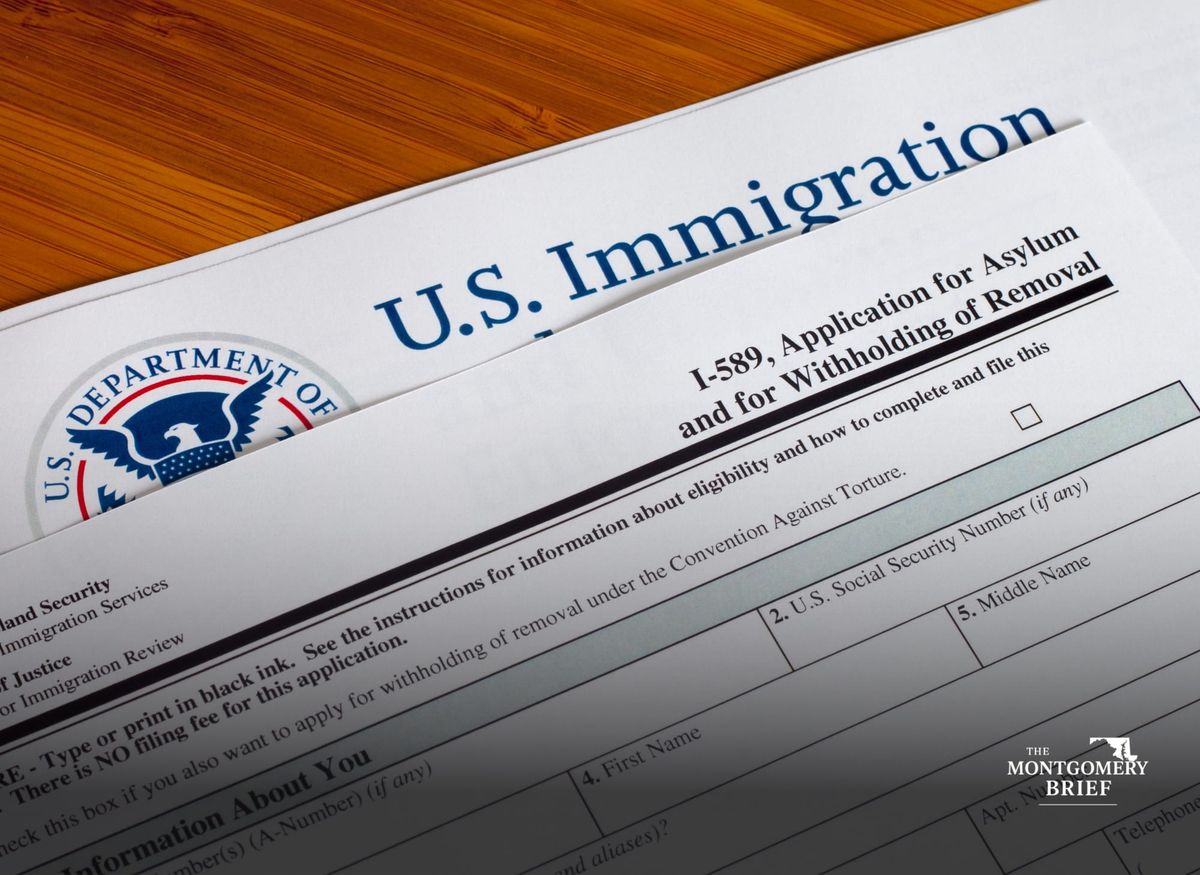
A new federal rule that took effect July 28 allows U.S. Citizenship and Immigration Services to refer some affirmative asylum applications directly to immigration judges without first interviewing the applicant. That is a change U.S. officials say will help reduce the nation’s growing asylum backlog.
The U.S. Department of Homeland Security released an interim final rule on Monday, and the policy took effect immediately after publication while the agency accepts public comments.
Currently, people who apply for asylum outside of removal proceedings typically receive a non-adversarial interview with a USCIS asylum officer. If asylum is not granted, the case is referred to an immigration judge for a new review.
Under the new rule, USCIS can bypass that interview in certain cases and send applications directly to immigration court, eliminating what DHS describes as a duplicative step in the process.
“For far too long the asylum system has been exploited for purposes of delay and work authorization, not legitimate claims of protection,” USCIS Director Joseph Edlow said in a statement. “America’s asylum system exists to protect individuals who genuinely fear persecution, and this rule will help ensure that resources are directed to the timely adjudication of those claims instead of to those seeking to use the system as a loophole.”
Immigration lawyers and advocates argue the policy will instead increase pressure on the immigration court system.
“This rule will worsen the massive backlogs clogging the immigration courts by shifting thousands of cases from USCIS to judges who take much longer to hear cases than asylum officers,” said Ben Johnson, executive director of the American Immigration Lawyers Association.
“Not only will this rule throw sand into the gears of the immigration courts, it will stack the scales of justice against vulnerable people fleeing torture and persecution by putting them into adversarial court hearings and likely also into detention.”
Advocates say asylum interviews often provide applicants an opportunity to explain inconsistencies, submit additional evidence and present their claims before entering the more adversarial immigration court system.
They argue eliminating interviews in some cases raises due process concerns while moving more cases into an immigration court system that already faces significant backlogs.
For asylum seekers in Maryland, the rule means some people who file affirmative asylum applications with USCIS could be referred directly to immigration court without first meeting with an asylum officer.
Immigration attorneys say applicants should ensure their written asylum applications and supporting evidence are as complete as possible because they may no longer have an opportunity to explain their claims during an initial USCIS interview before their cases are sent to a judge.