Local rights groups to hold legal clinic in Silver Spring for Salvadoran TPS holders
The session aims to help local TPS holders evaluate legal immigration options, protect personal assets, and create family safety plans in the event of federal policy shifts or detention.
Local immigrant advocacy groups and legal experts will host a free legal clinic on Saturday, Oct. 24, from 3 p.m. to 5 p.m. at El Comalito in Silver Spring to assist Montgomery County’s Salvadoran community as they navigate mounting legal uncertainty over Temporary Protected Status (TPS).
The session aims to help local TPS holders evaluate legal immigration options, protect personal assets, and create family safety plans in the event of federal policy shifts or detention, and it is organized by the American University Washington College of Law Legal Clinic and the Montgomery County Immigrant Rights Collective (MoCo IRC).
On-site services at the event include free legal evaluations with attorneys and legal advocates to explore long-term immigration options. Attendees can also receive guidance on securing vehicles, housing, bank accounts, and power-of-attorney documents in case of detention. They will also learn how to set up emergency family safety and care plans.
Organizers will offer notary assistance, support for obtaining U.S. passports for U.S.-born children, and teach parents and legal guardians how to obtain official school and medical records for families considering returning to El Salvador.
What is TPS?
TPS is a federal statutory protection created by the U.S. Congress under the Immigration Act of 1990. The Secretary of Homeland Security can designate a country for TPS when extraordinary conditions, such as ongoing armed conflict, environmental disasters, or major natural catastrophes, prevent its citizens from returning safely.
TPS grants recipients protection from deportation and an employment authorization document to work legally in the United States. However, TPS is temporary and does not provide a direct path to lawful permanent residency, also known as a green card, or U.S. citizenship.
El Salvador was first designated for TPS in 2001 following a series of earthquakes.
TPS in Montgomery County
According to data from Montgomery Planning, more than 74,000 residents in Montgomery County identify as being of Salvadoran descent. And local government estimates indicate that between 10,000 and 30,000 Montgomery County residents hold TPS status. Statewide figures from research institutions and census data estimate that Maryland is home to over 20,000 Salvadoran TPS holders.
The Center for Migration Studies and FWD.us research shows that more than 150,000 Salvadoran TPS holders participate in the U.S. labor force nationwide. In Maryland, thousands of Salvadoran TPS recipients work in local industries, including construction, building maintenance, transportation, and hospitality.
Local labor union 32BJ SEIU reports that between 1,000 and 1,500 of its Montgomery County union members depend on TPS work permits.
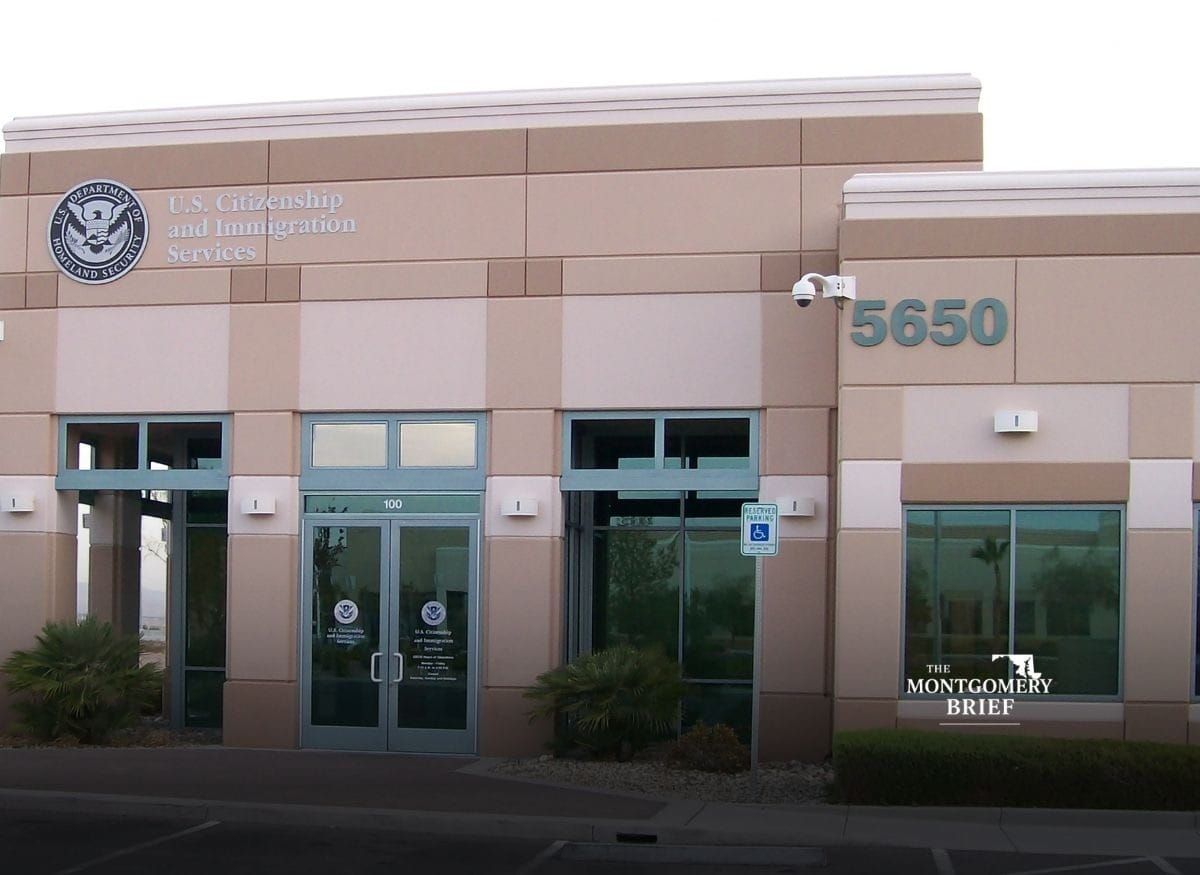
The future of TPS for Salvadorans, however, remains tied to legal challenges and administrative decisions by the Department of Homeland Security and U.S. Citizenship and Immigration Services.
On June 25, the U.S. Supreme Court ruled 6-3 in a landmark decision that the Trump administration can legally end TPS for hundreds of thousands of Haitian and Syrian migrants. At the time, DHS General Counsel James Percival praised the decision, stating that TPS had turned into a "de facto amnesty" and calling the ruling "a win for the rule of law and common sense".
The DHS and USCIS have made no formal decision regarding the future of El Salvador’s TPS designation, leaving roughly 170,000 Salvadoran recipients expecting an official administrative announcement.